
Ceramic brake pads
Chosen for a controlled pedal feel, lower dust, and stable street performance when the application is correctly matched.

Vehicle-specific brake kit sourcing
Send the vehicle model and year, VIN, wheel information, and current brake details. We review the fitment evidence first, then confirm the kit configuration with you before production.
Fitment confirmation
These five checks keep the recommendation simple and practical. They tell us which vehicle baseline, wheel space, and rear parking-brake layout the kit must work with.
Brake Caliper Kit Quote
The form starts the fitment review with the vehicle model and year, VIN, wheel size, wheel type, quantity, and destination. We then confirm the calipers, rotor style, colors, center ring, logo, and shipping details with you.
Installation records
Material and construction
The kit is reviewed as a connected system. Each material has a clear role in braking response, heat management, mounting stability, finish quality, and export handling.
Chosen for a controlled pedal feel, lower dust, and stable street performance when the application is correctly matched.
Designed to support heat capacity and repeatable friction behavior through repeated braking cycles.
A lighter caliper body supports a practical package weight while keeping the piston and service layout clear.
Used for the hub, brackets, and locating hardware where stable strength, accurate machining, and consistent assembly matter.
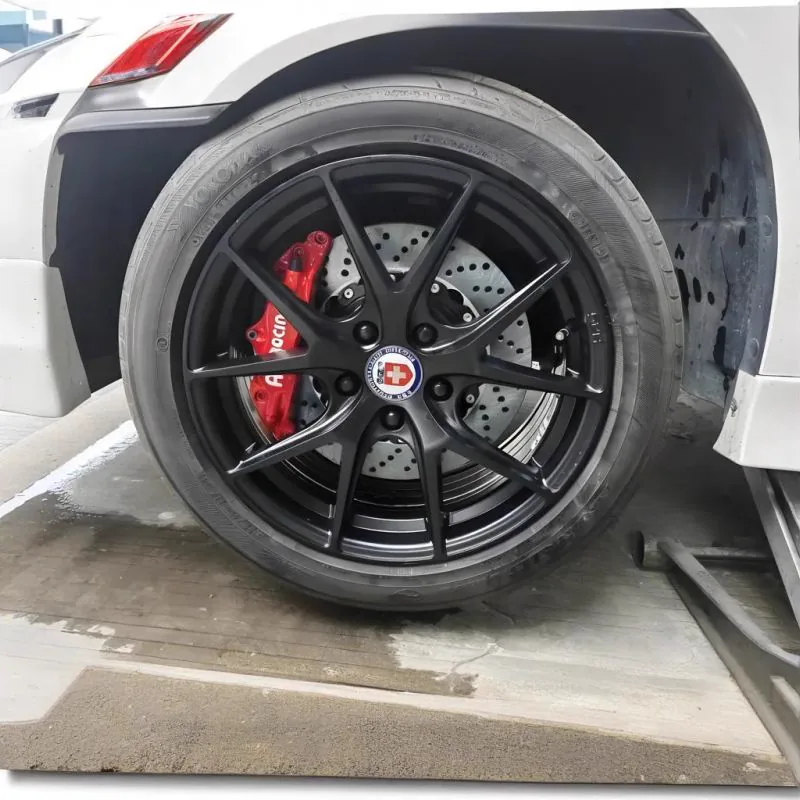
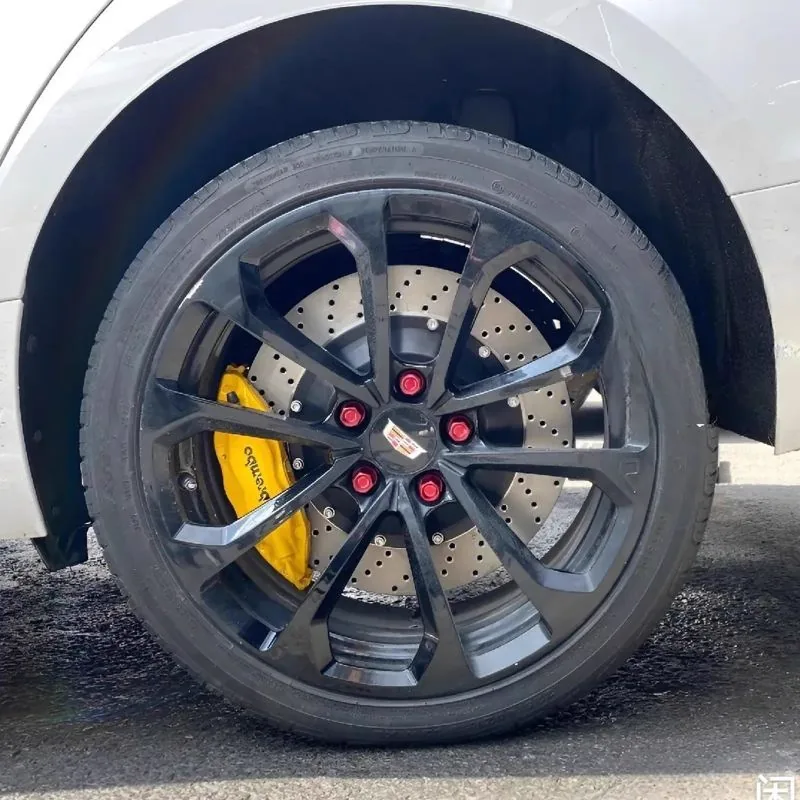
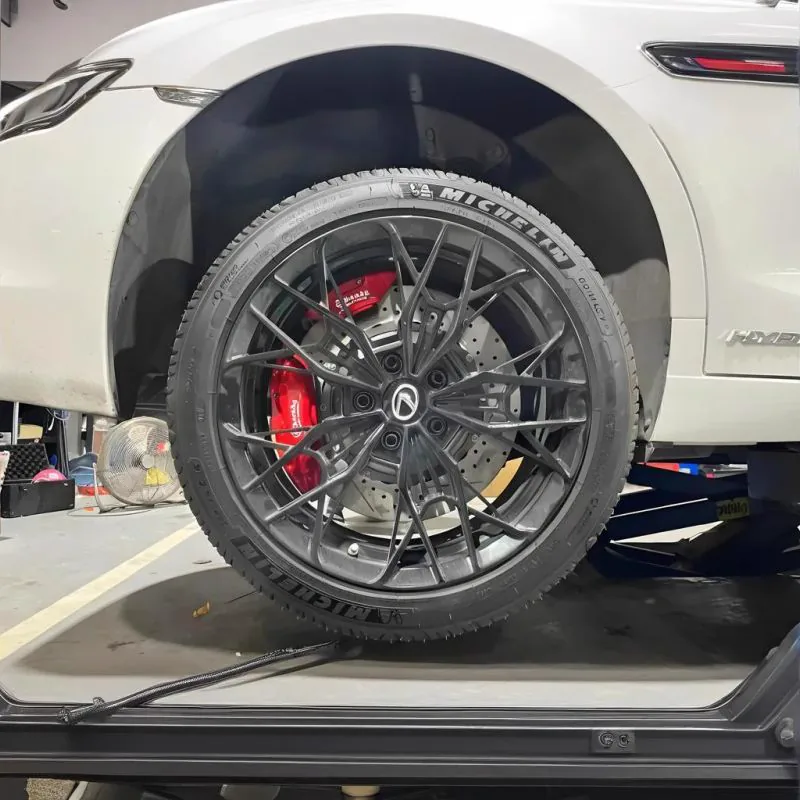
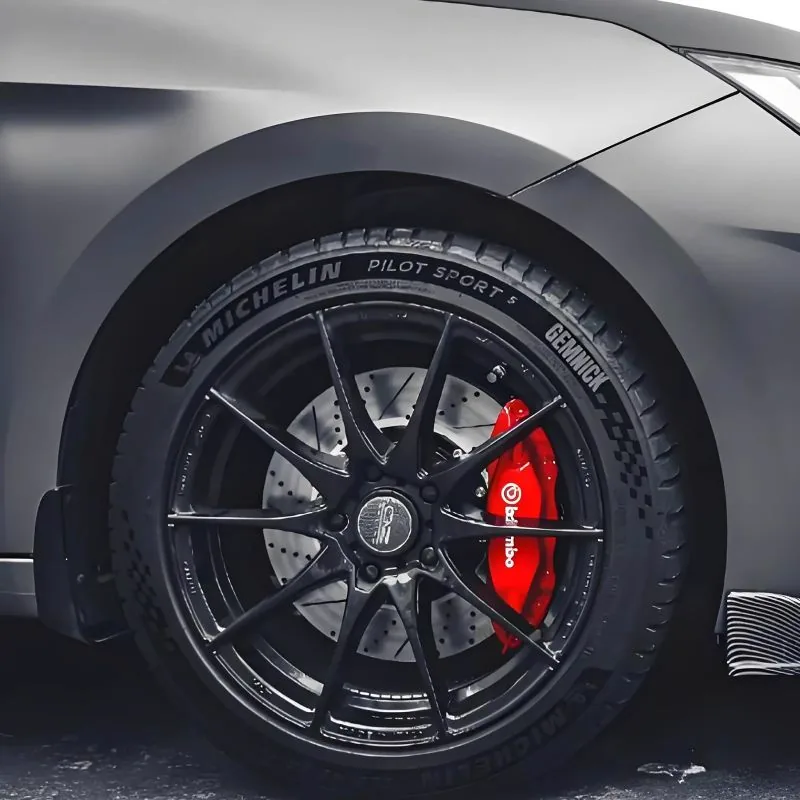
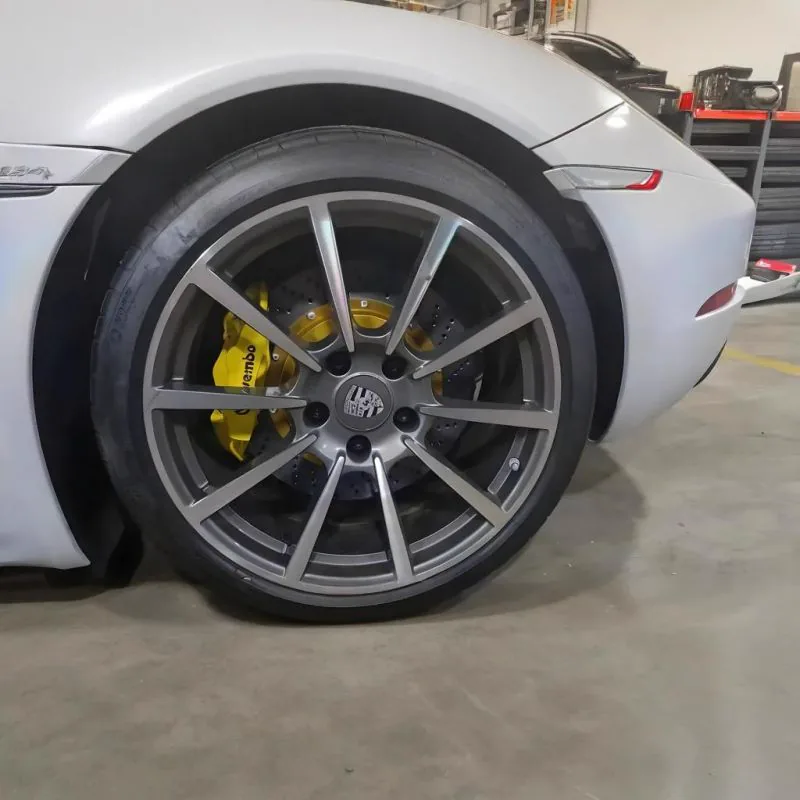
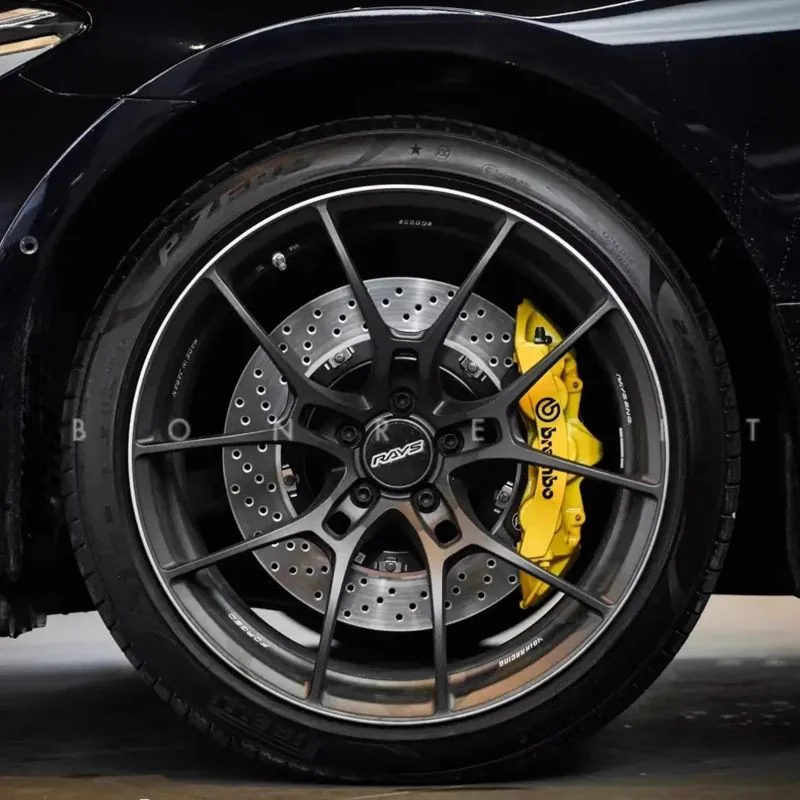
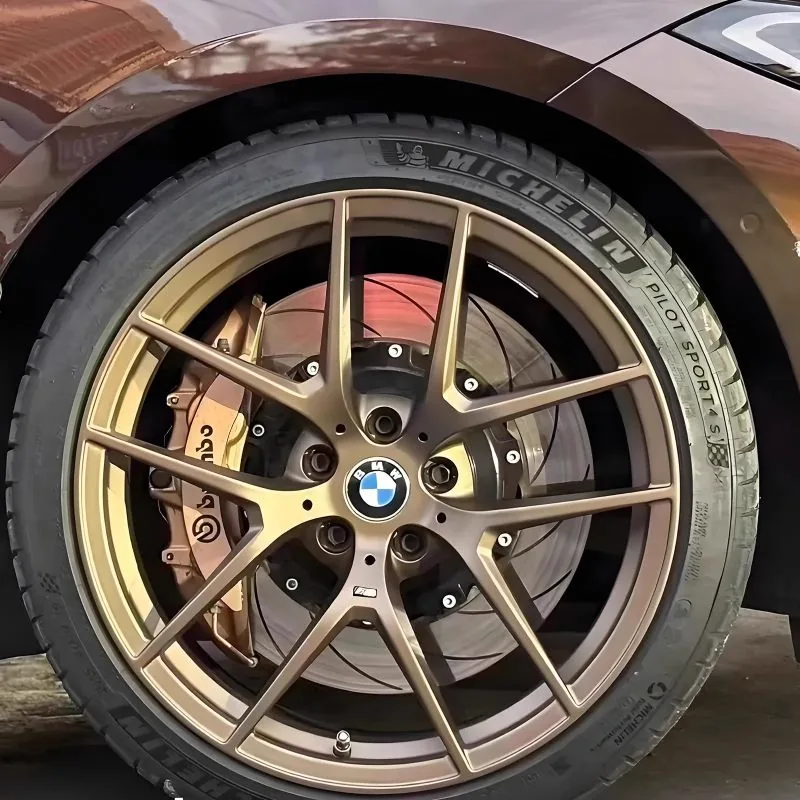
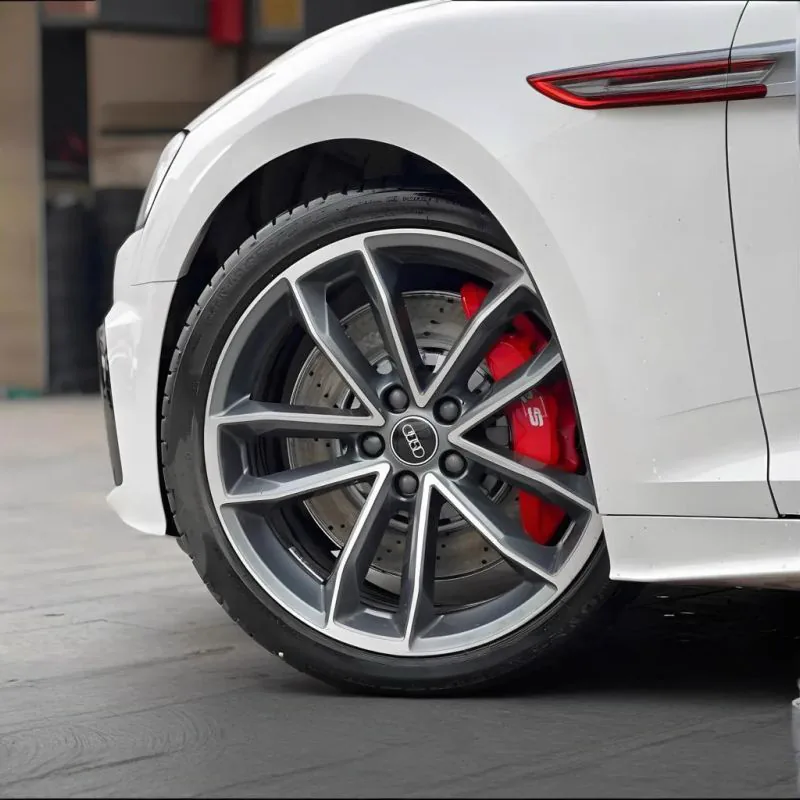
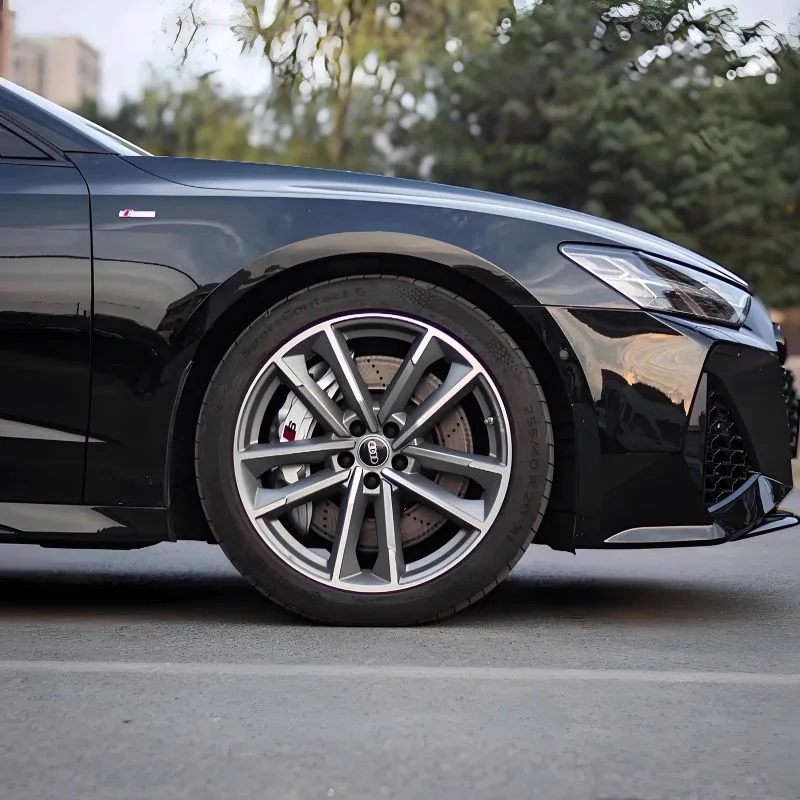
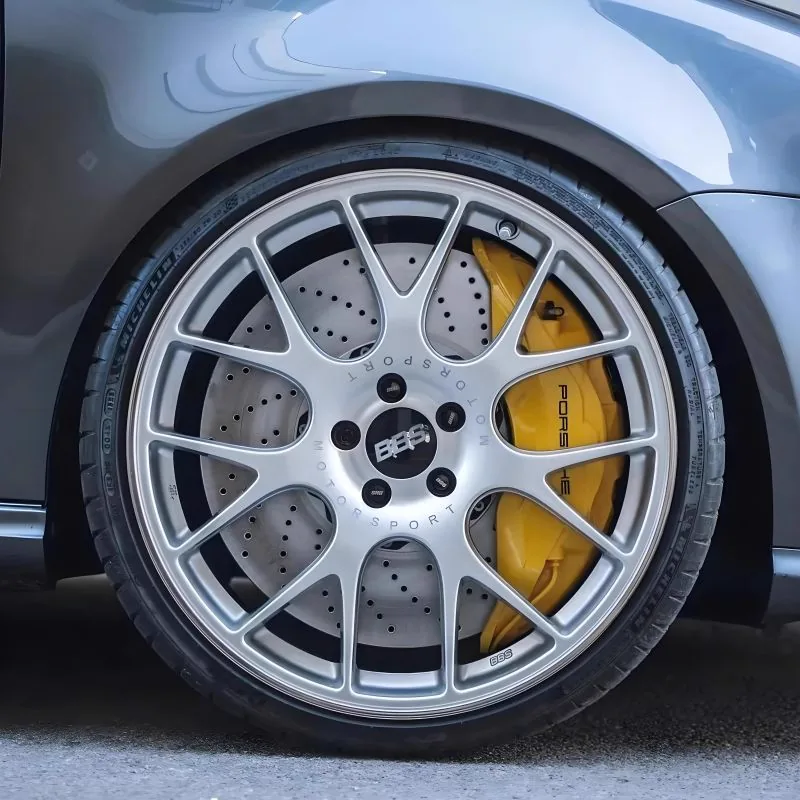
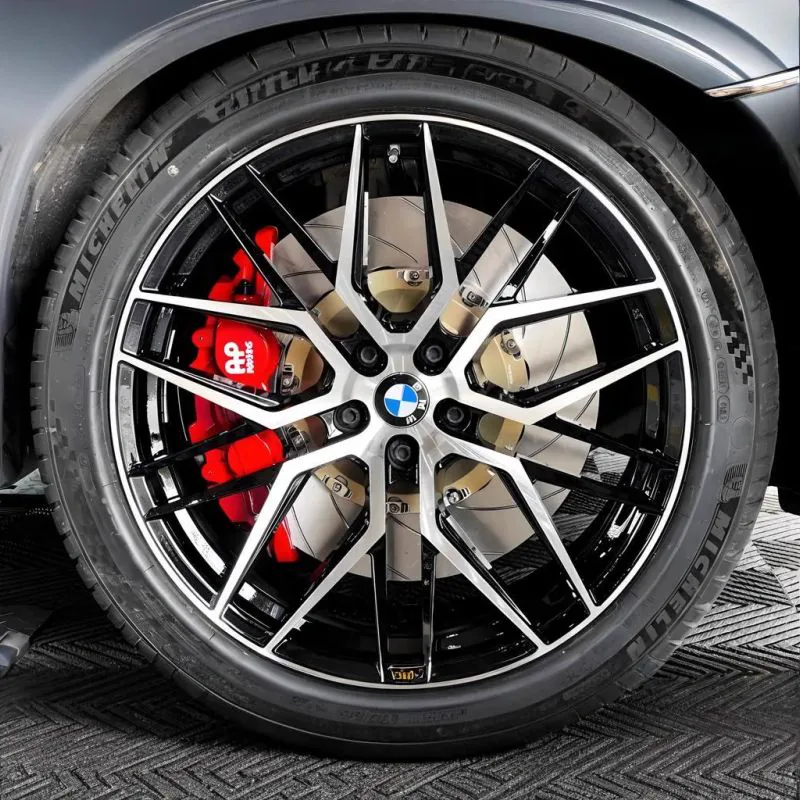
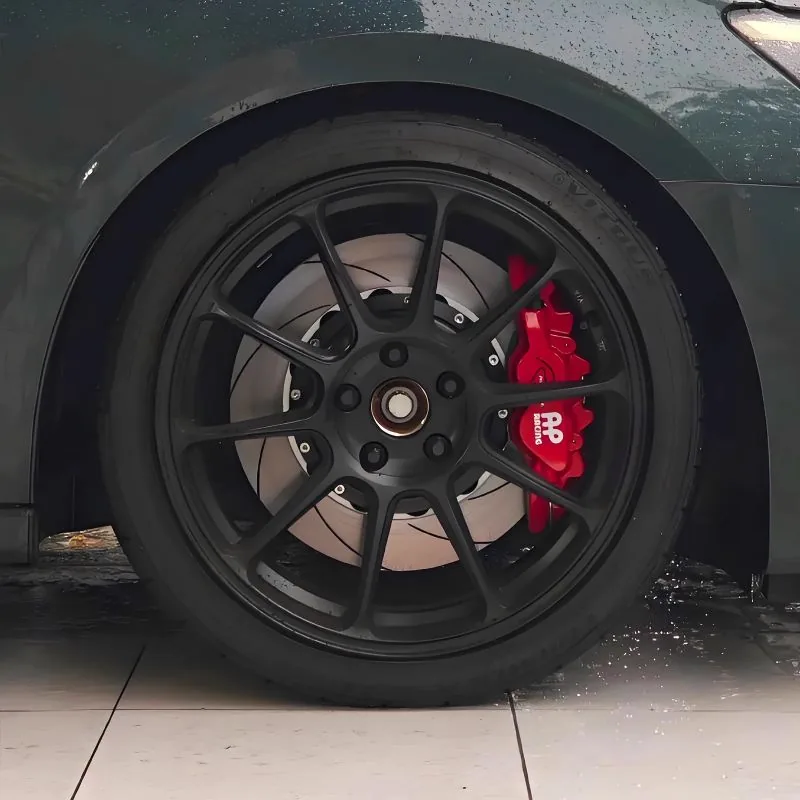
Brake Caliper Model Effect Gallery
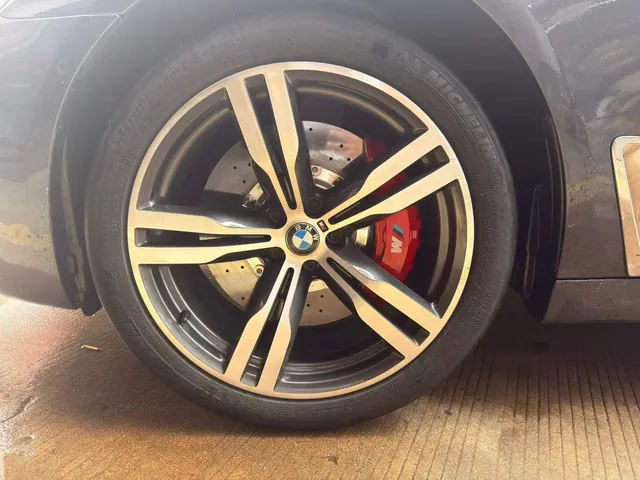
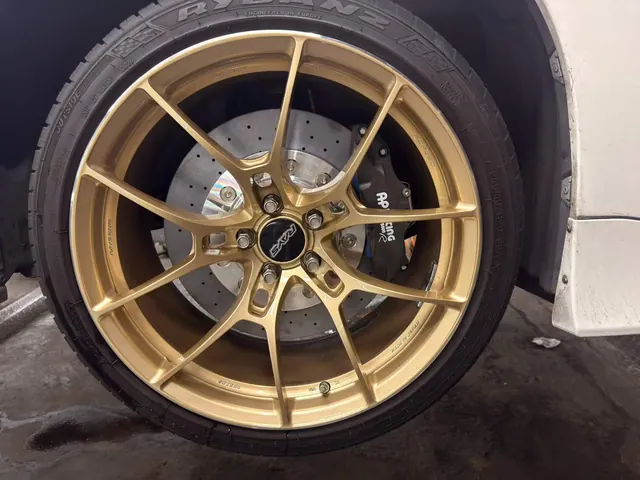
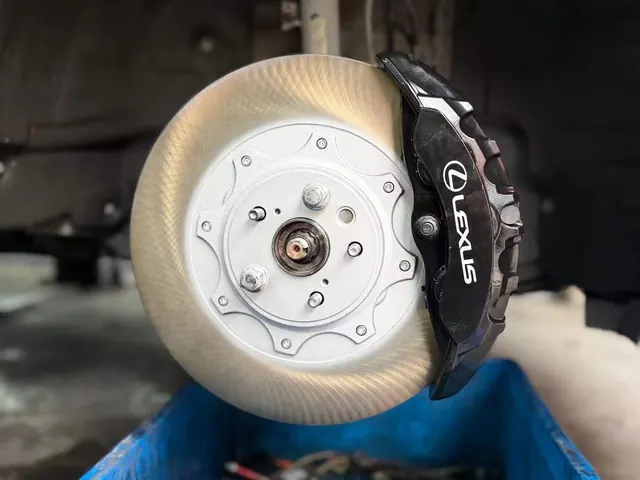
Use these visual model references to discuss the requested caliper effect, finish direction, and kit route. The model label is shown on each image; final approval still depends on VIN, axle, wheel clearance, and rotor evidence.
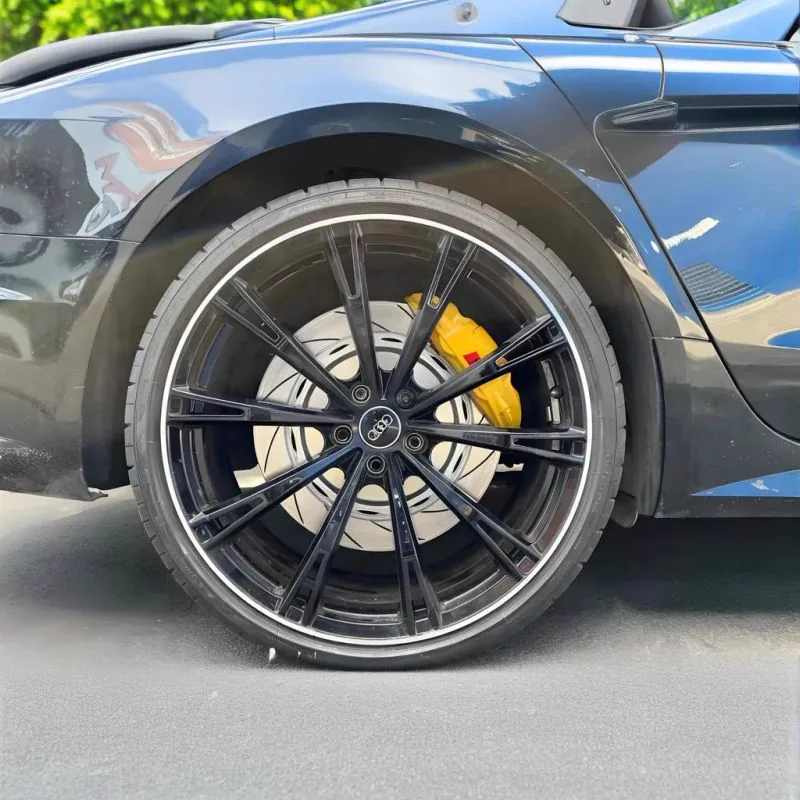
Customer order evidence
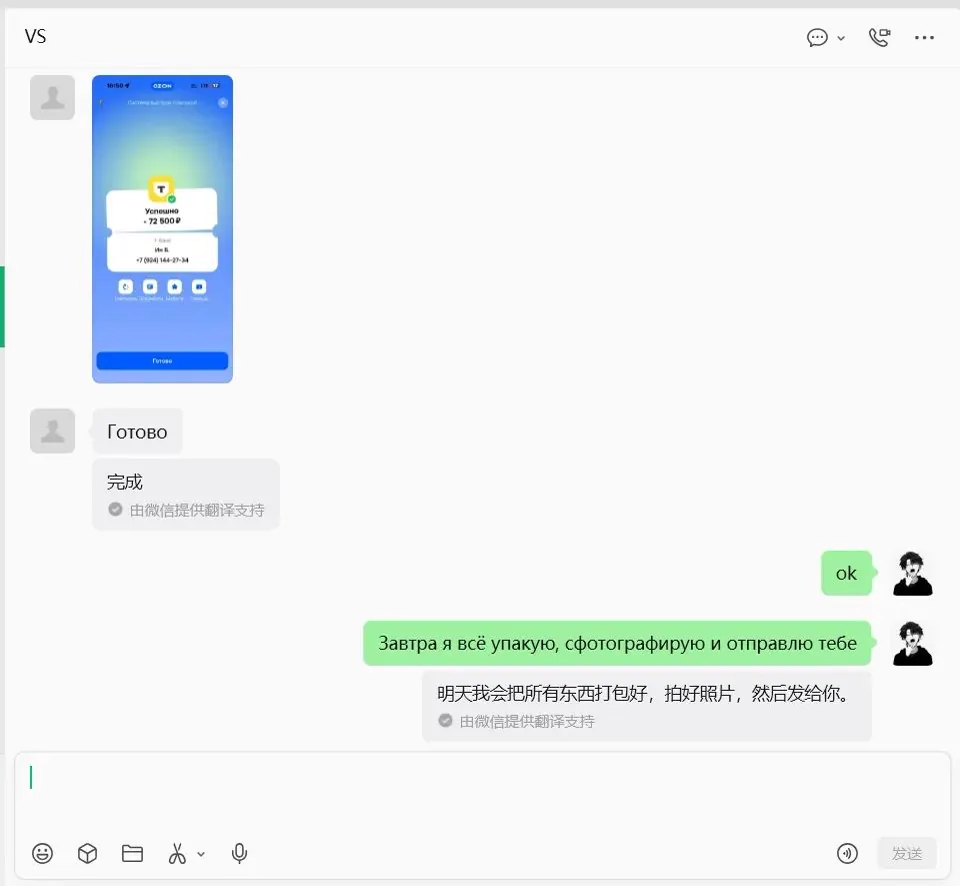
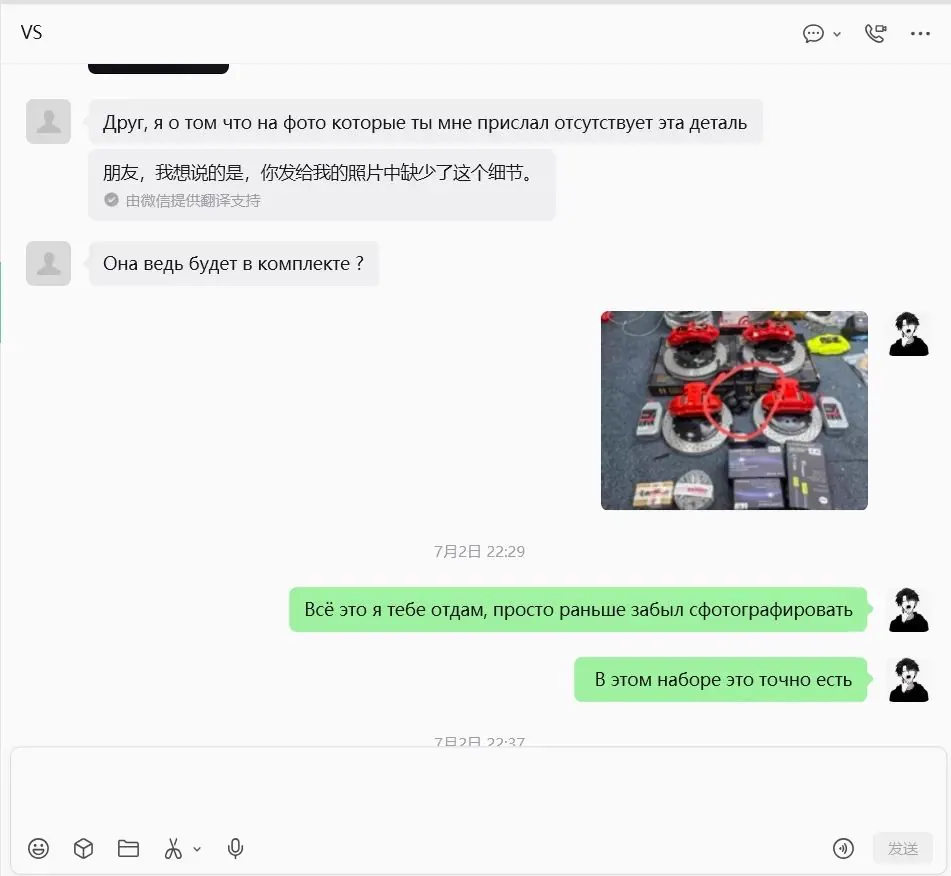
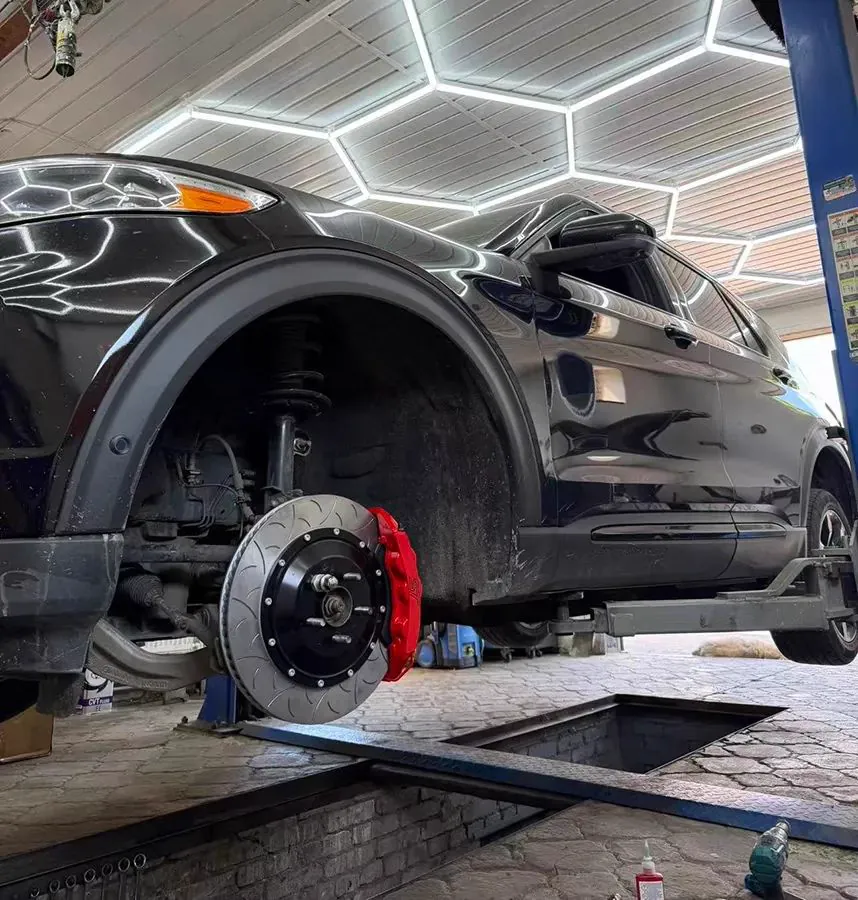
Use the ten checkpoints to see how a vehicle request becomes a reviewed, configured, packed, received, and installed brake kit. The customer photos, delivery conversation, and videos are presented as order evidence.
The request begins with the vehicle, year, wheel size, and the photos or notes already available from the customer.
VIN and wheel evidence are checked together so the proposed kit follows the vehicle instead of only the product name.
Mounting position, disc size, caliper envelope, and wheel clearance are reviewed before a configuration is approved.
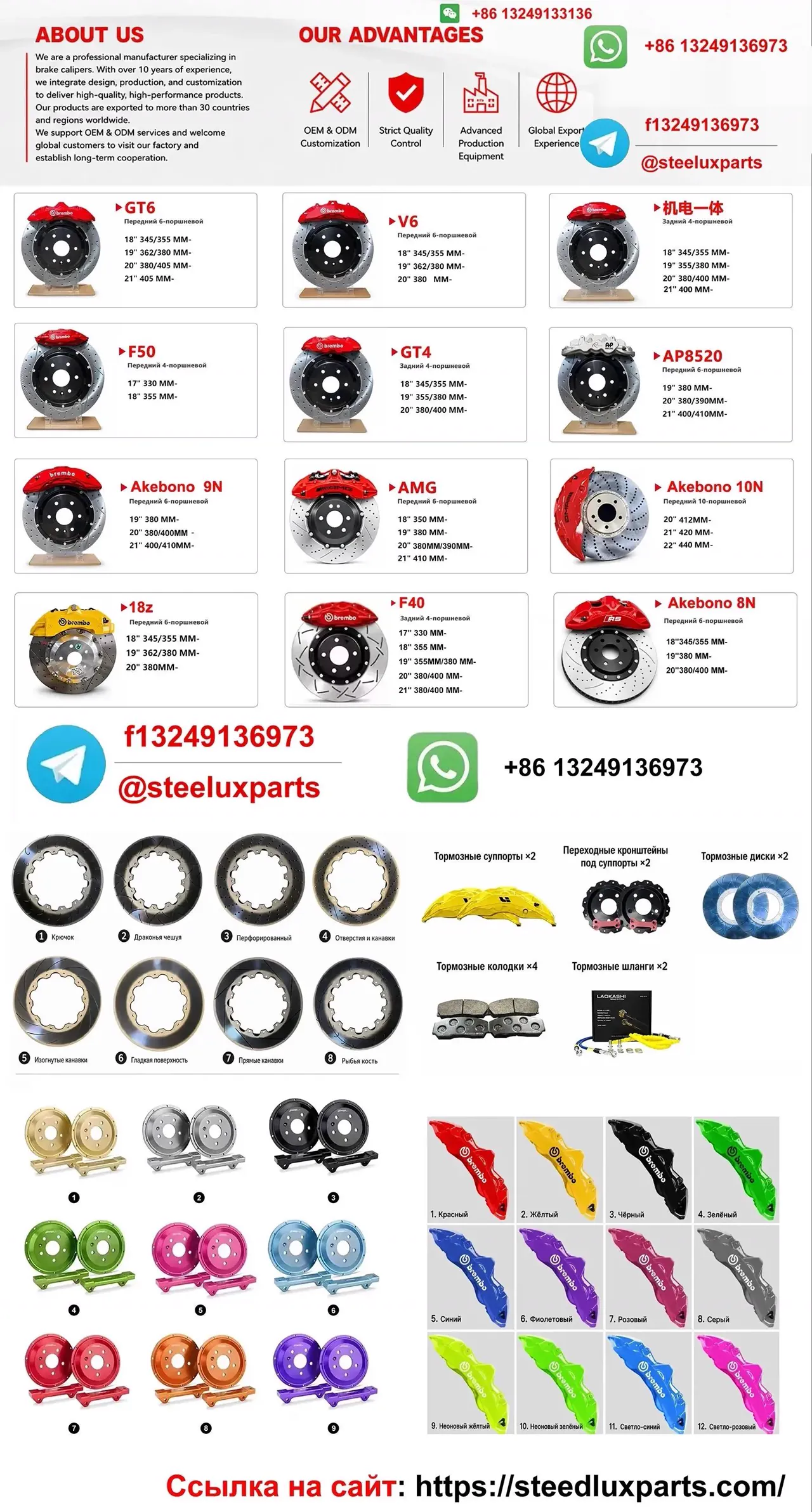
The visual model family is selected first, then matched to the vehicle and the required front or rear application.
Front and rear calipers, rotor style, caliper color, center ring color, and logo are recorded before production.
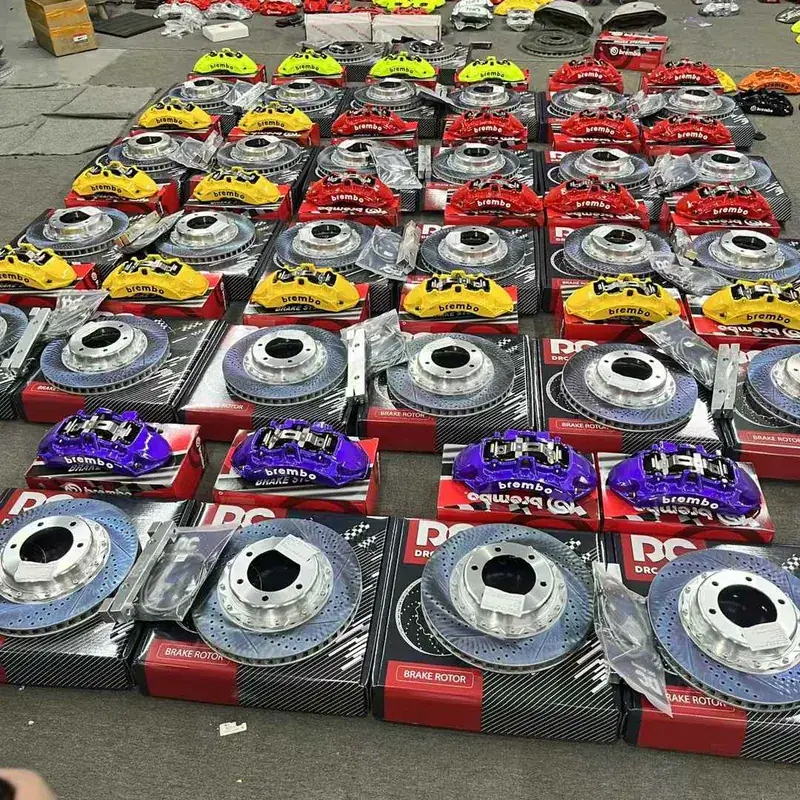
The set is laid out for a final scope check. Production is released after the agreed configuration and commercial terms are confirmed.
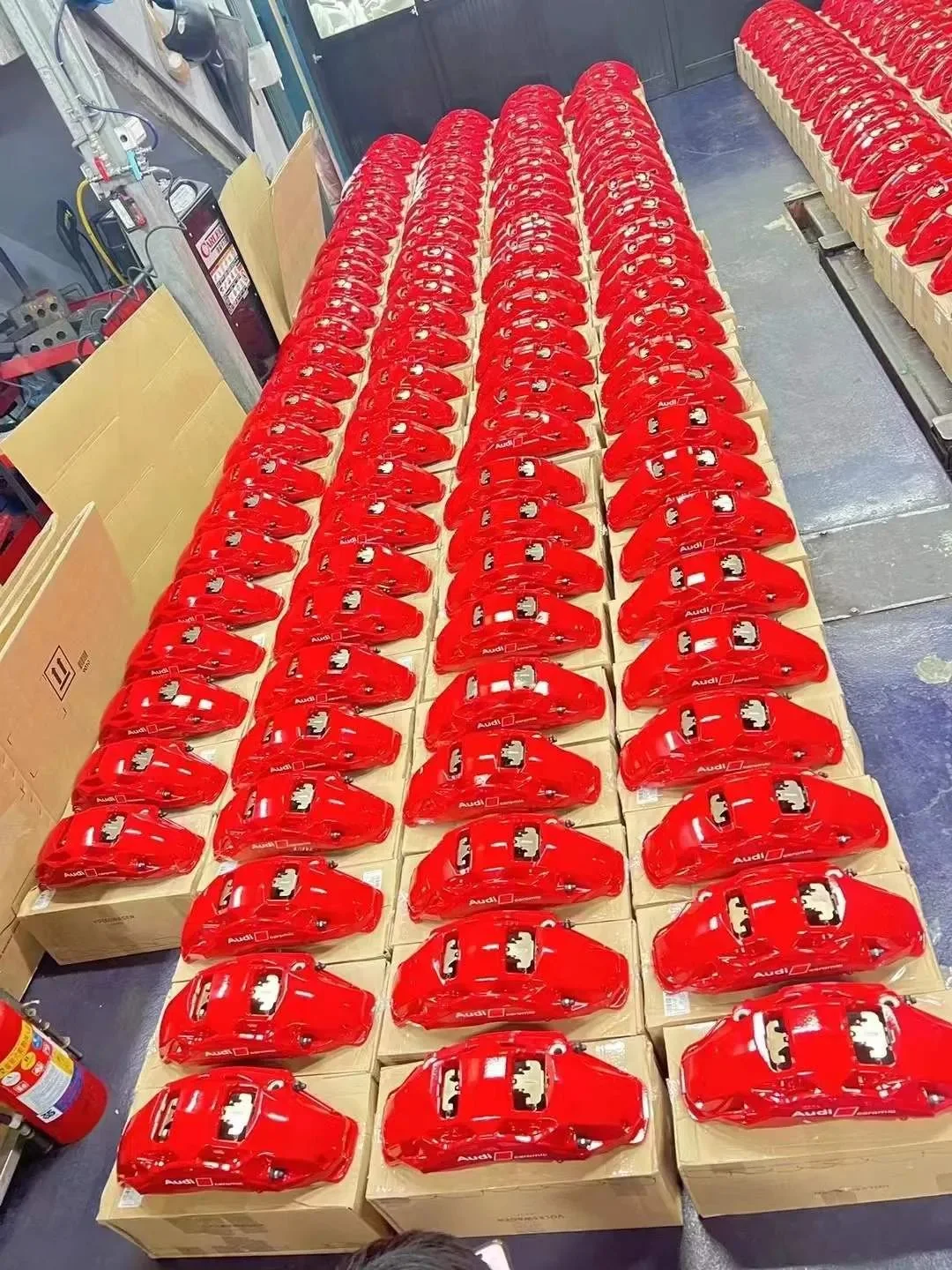
The batch is checked for quantity, finish, side, model, and order notes before it moves to packing.
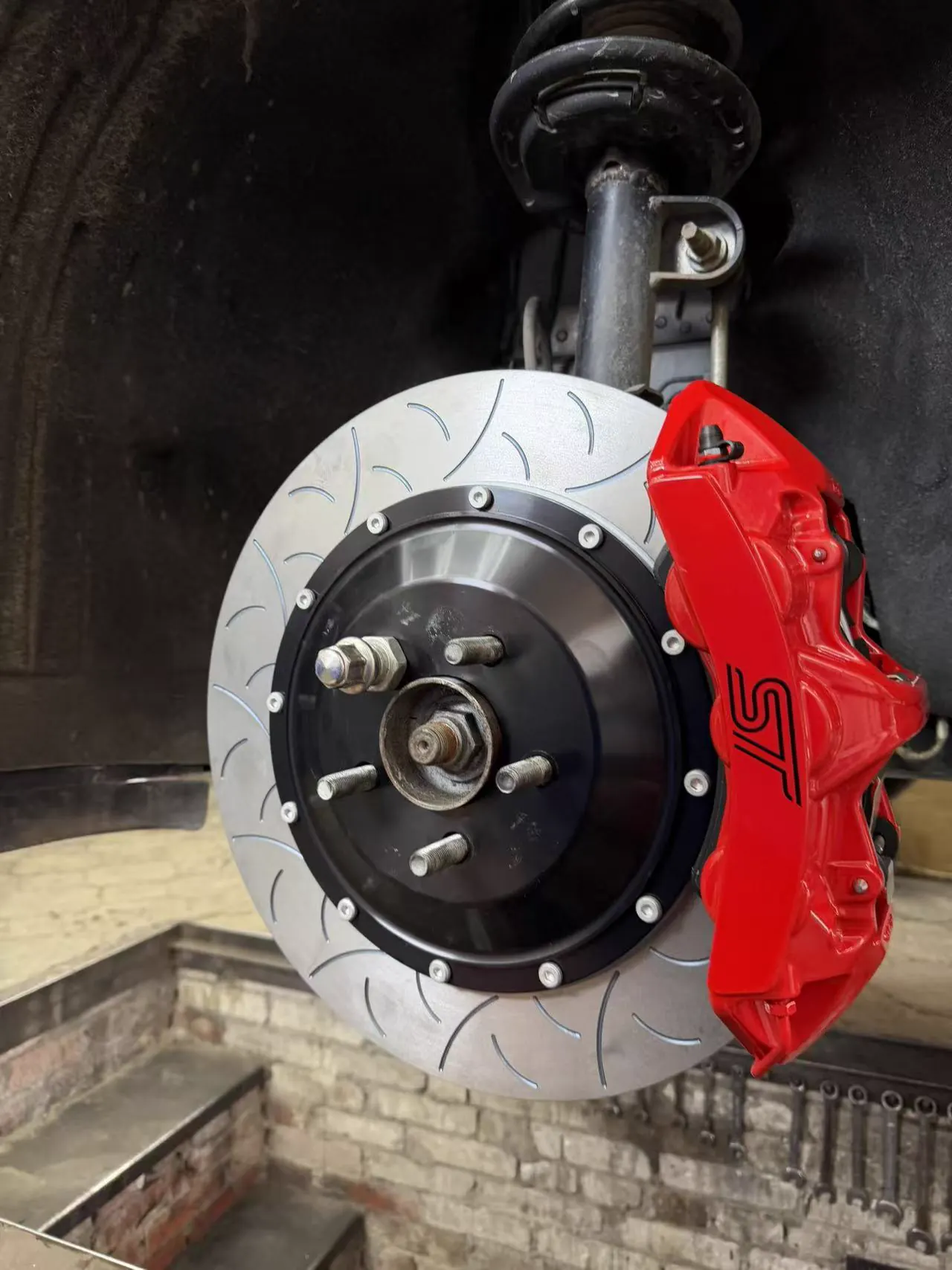
The installed brake view makes the caliper finish, rotor style, and mounting result easier to review with the customer.
Foam-protected cartons are prepared for export handling, with customer order footage and the final shipping record checked before dispatch.
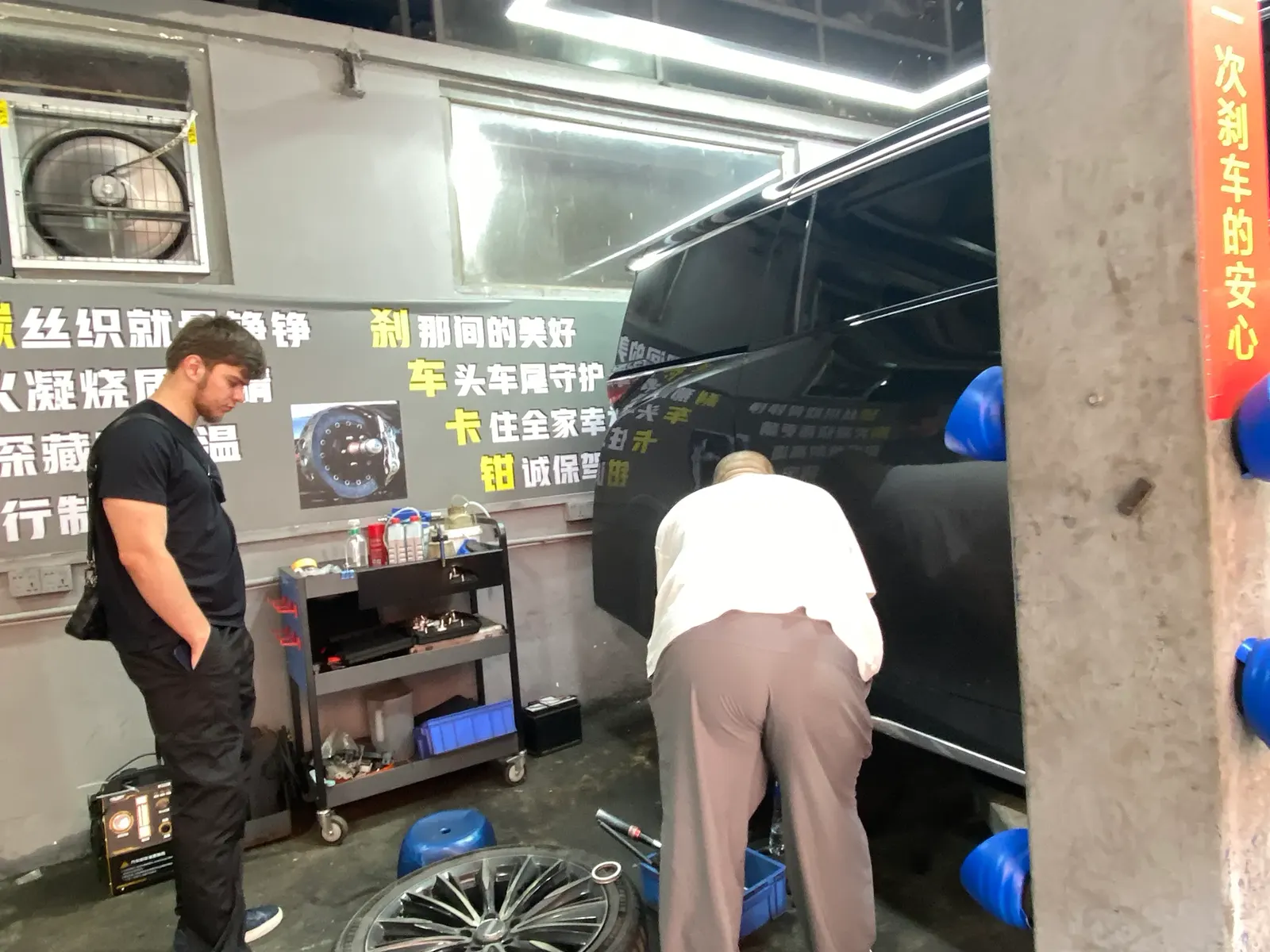
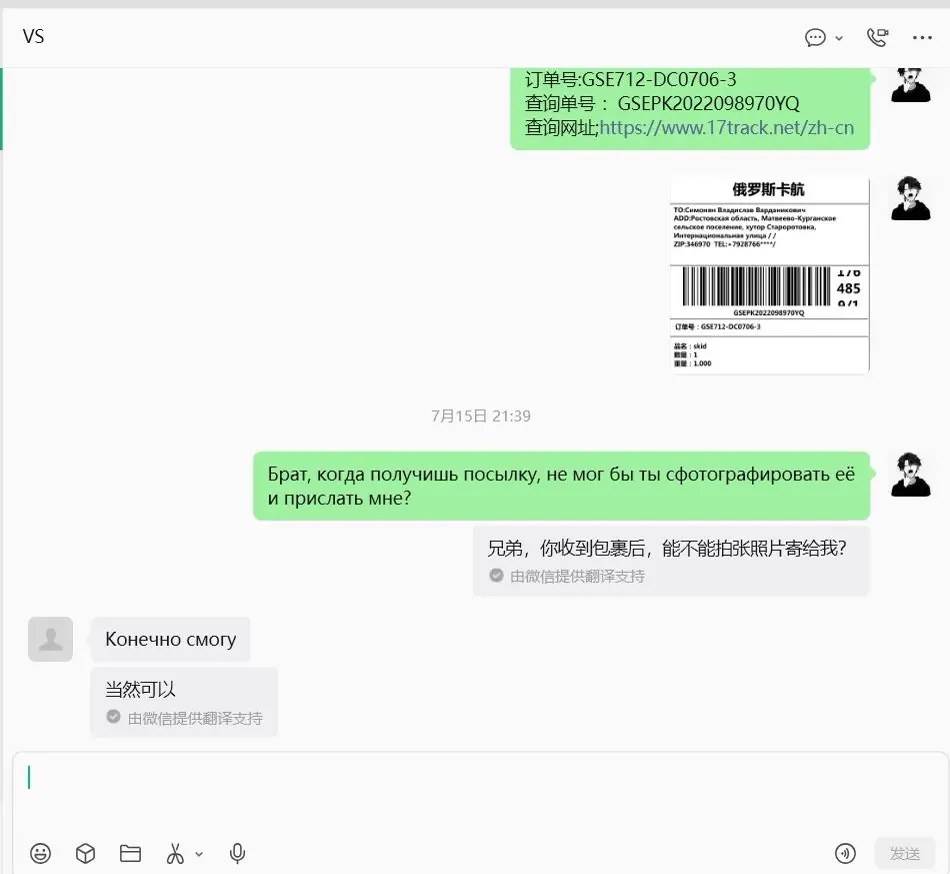
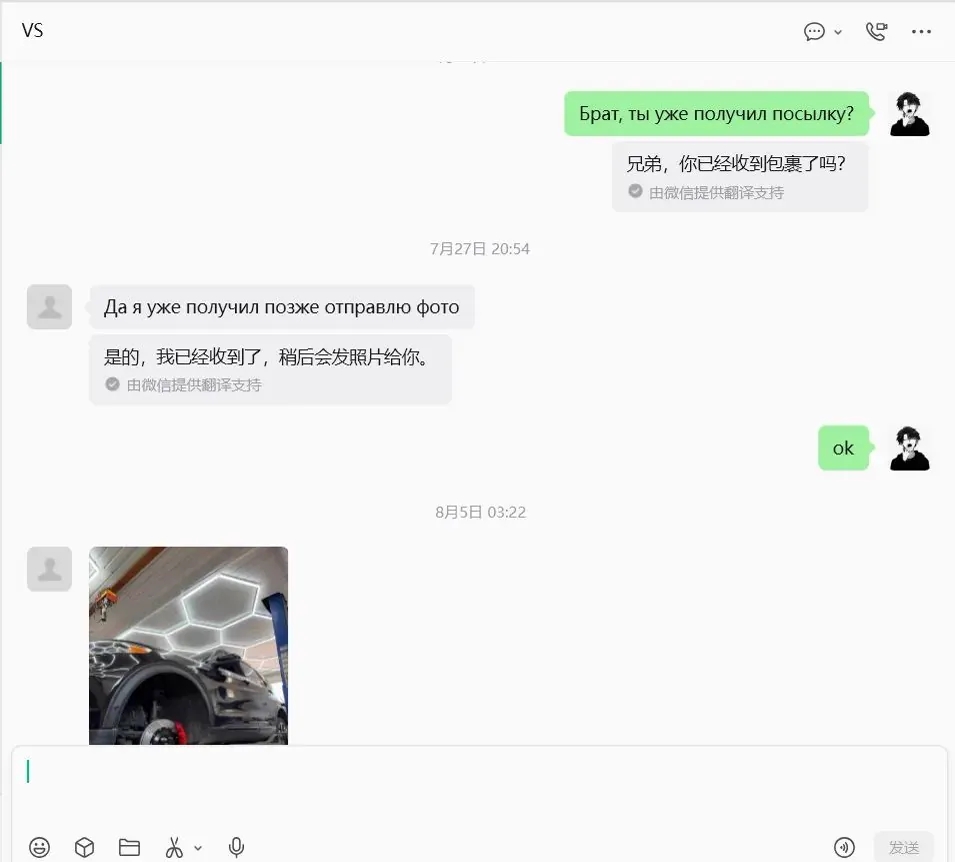
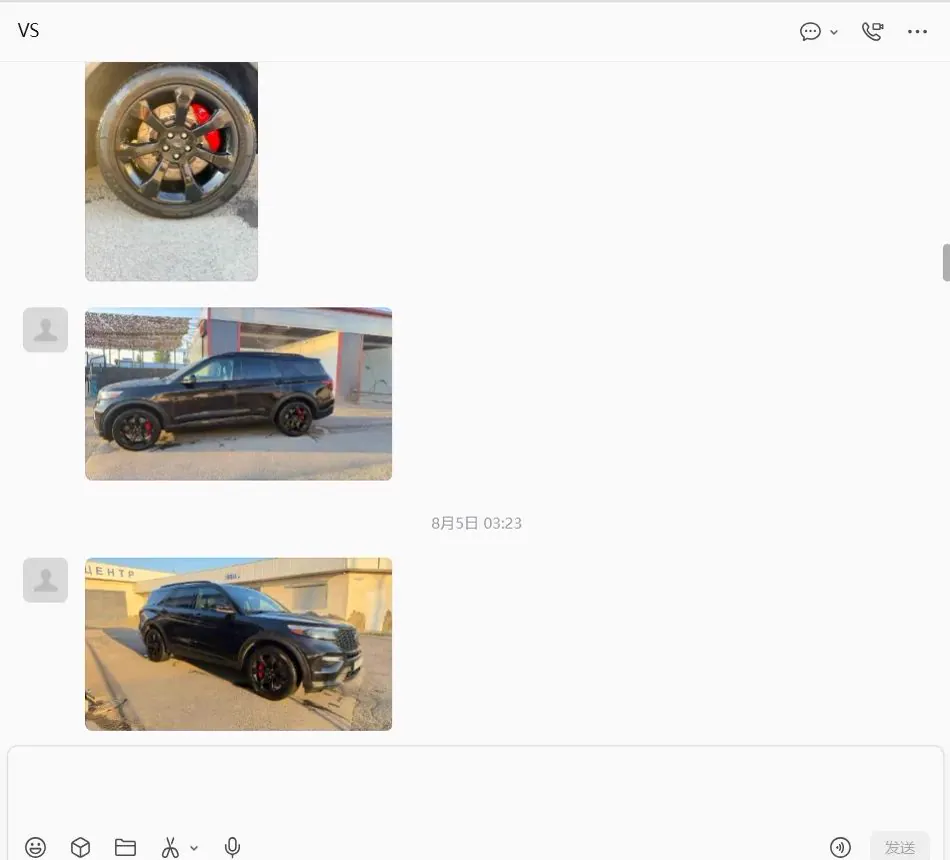
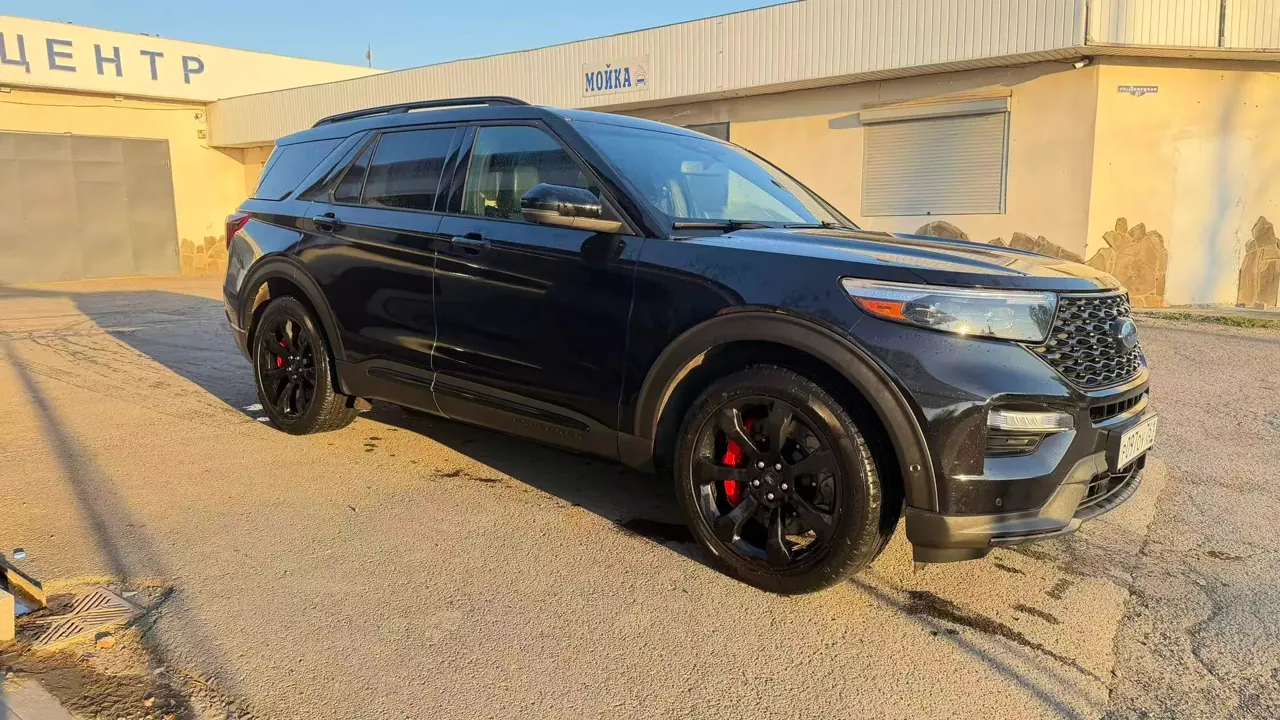
The customer confirms receipt in the delivery conversation, then the installed wheel and caliper become the final vehicle-side reference.
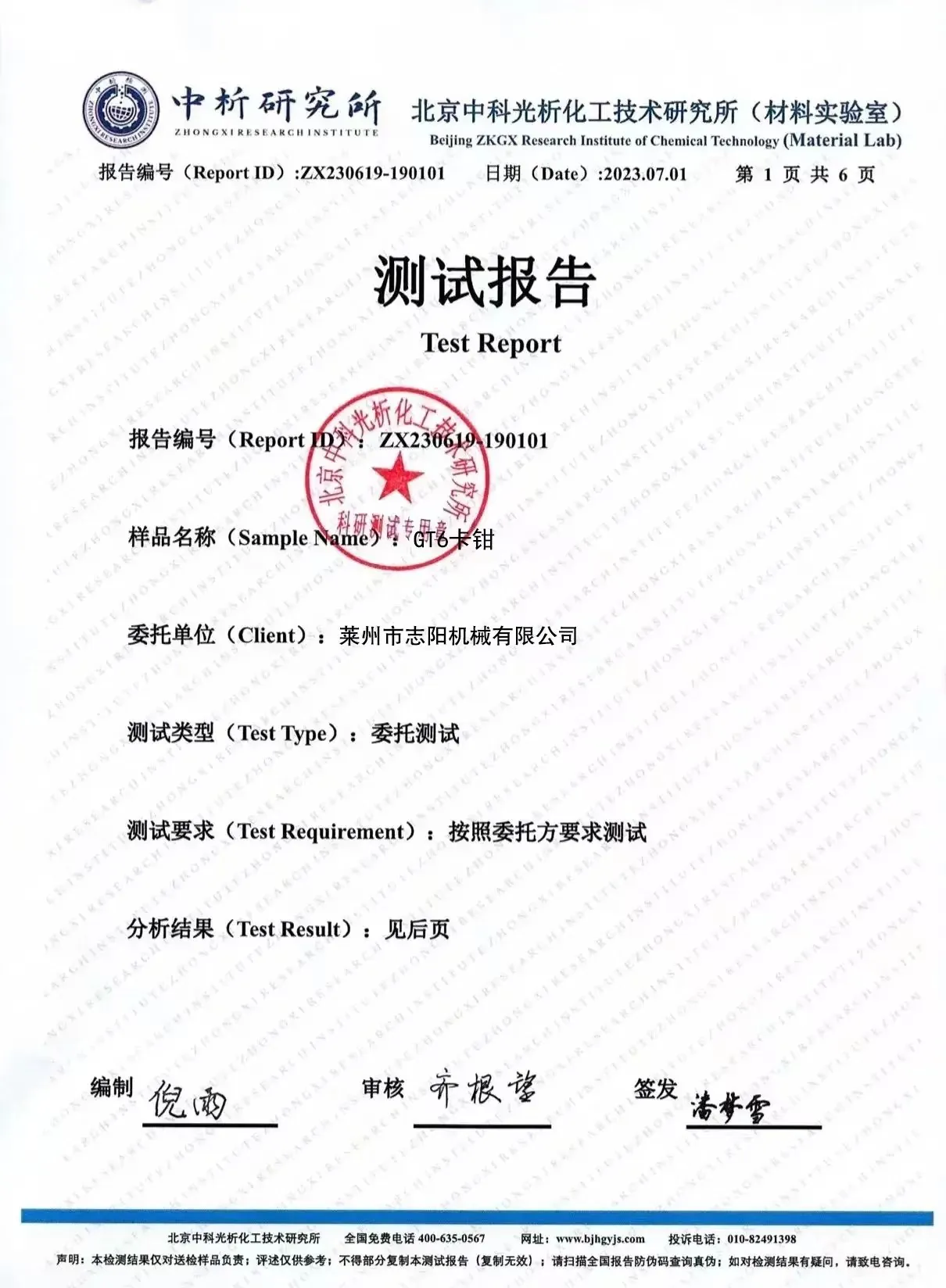
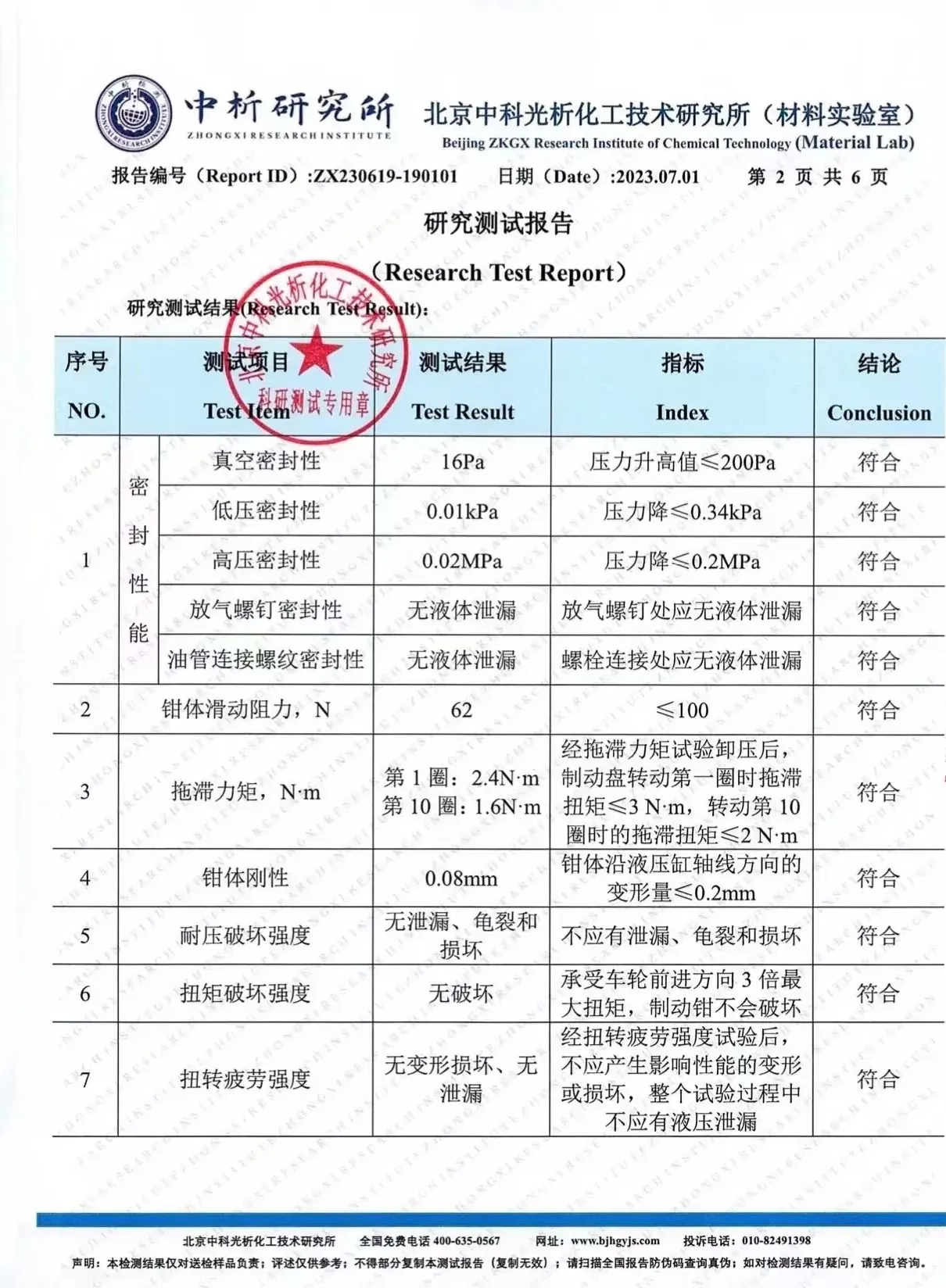
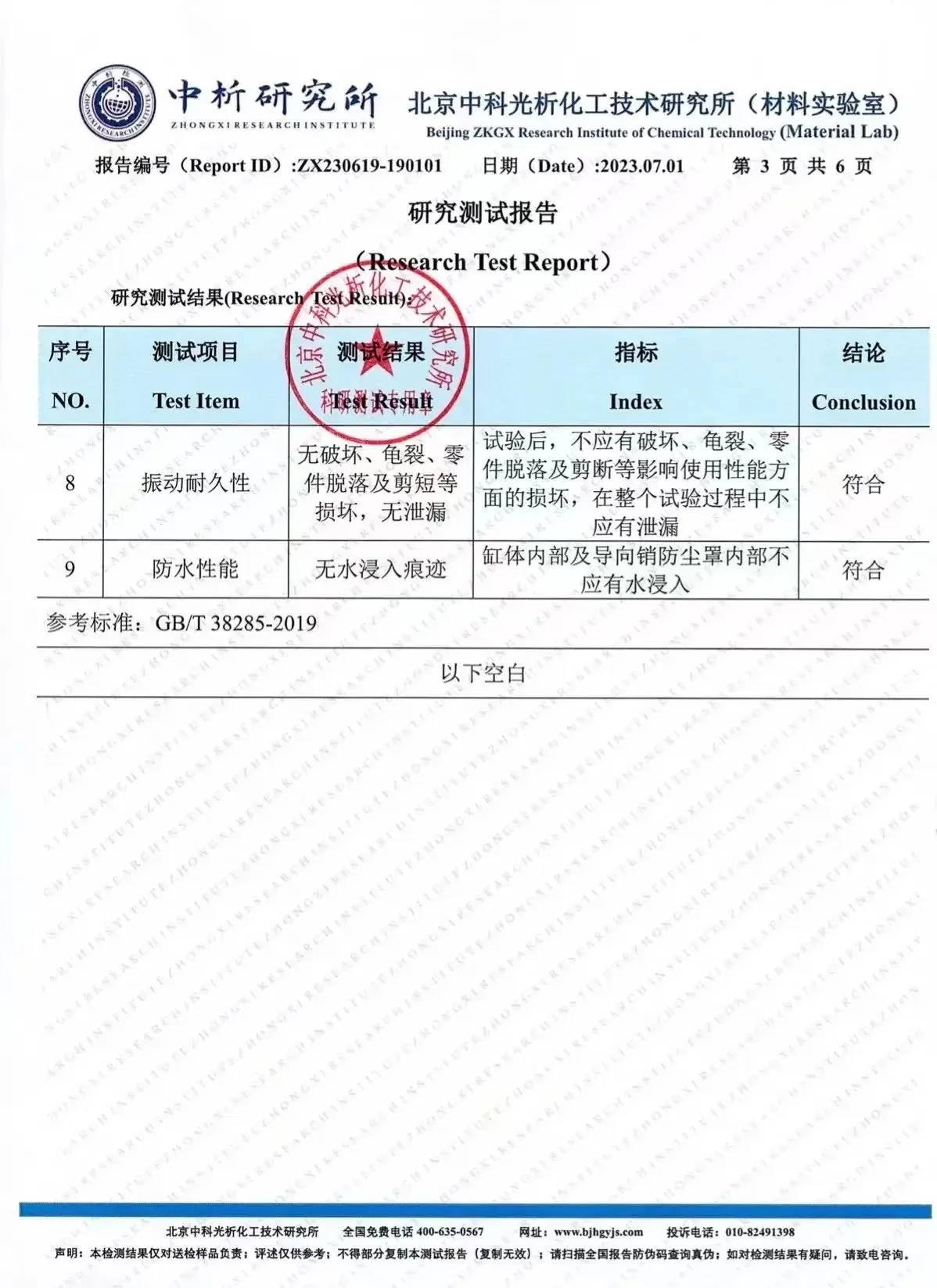
Commissioned GT6 sample test report
This commissioned report records tests performed by an external laboratory on the submitted GT6 brake caliper sample. It is product evidence for that sample, not a certification covering every SteedLuxParts model.
Factory and office evidence
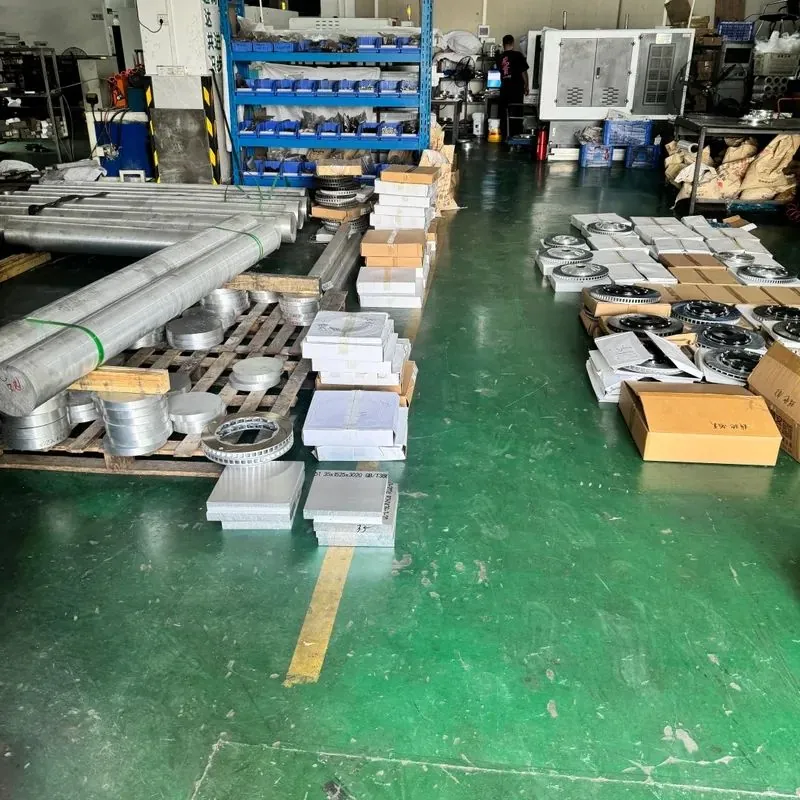
Factory photos, CAD workstation evidence, and short production and installation footage give buyers a concrete view of the route behind the brake kits. These materials support, rather than replace, fitment and configuration checks.
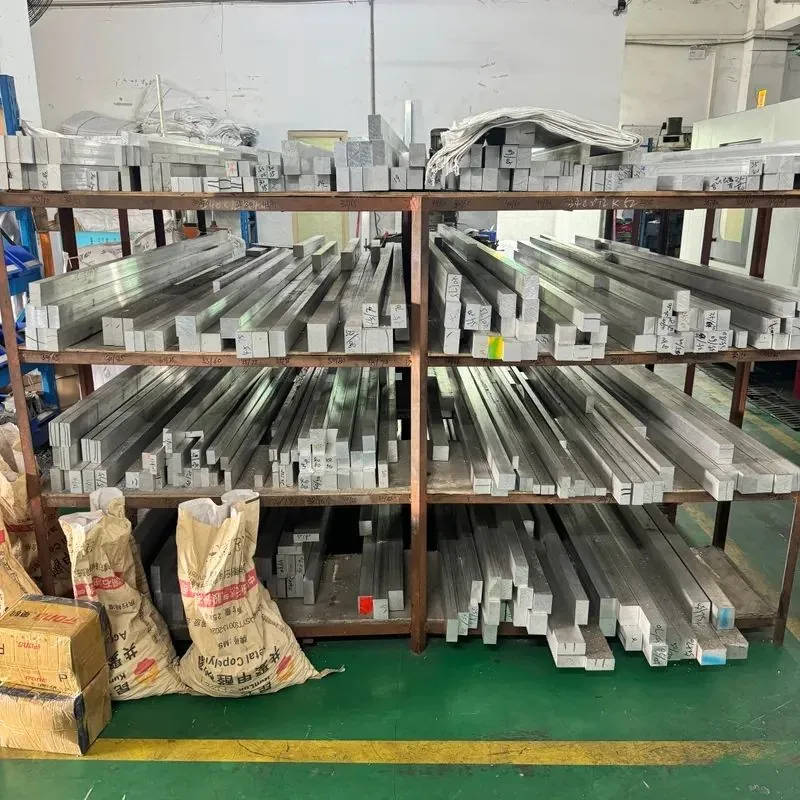
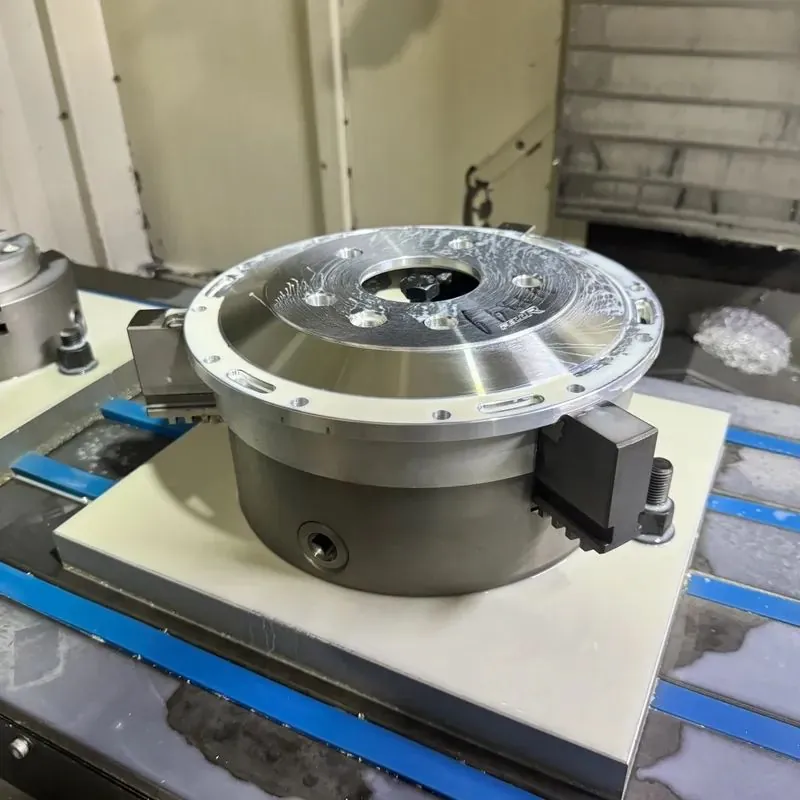
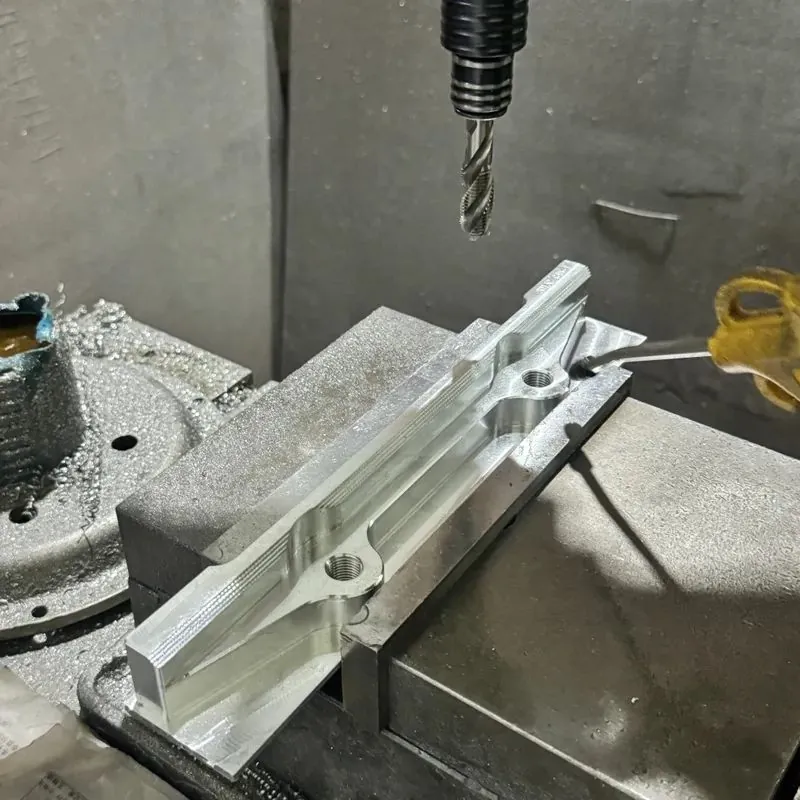
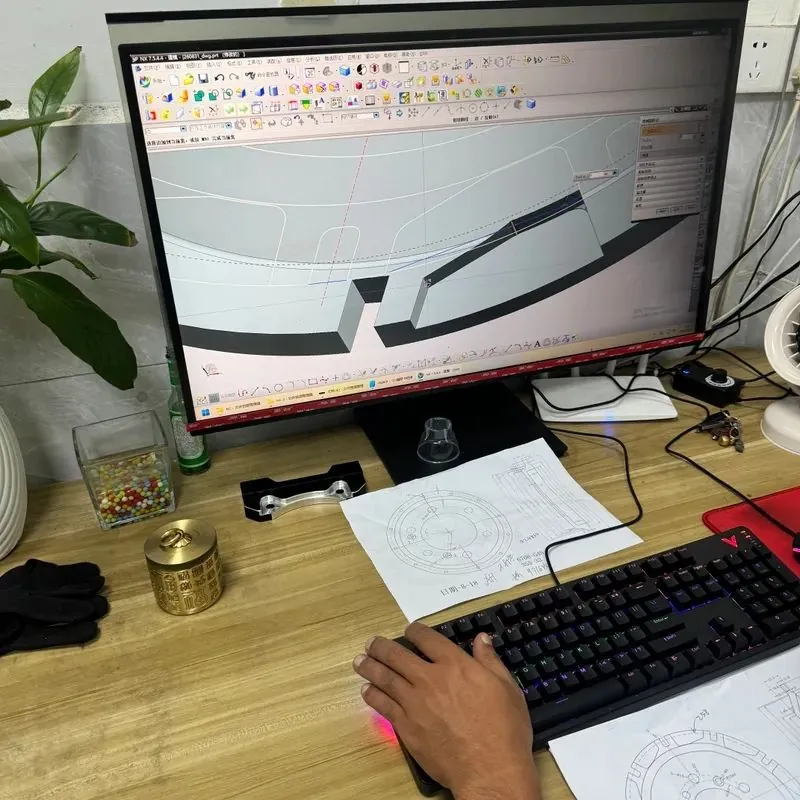
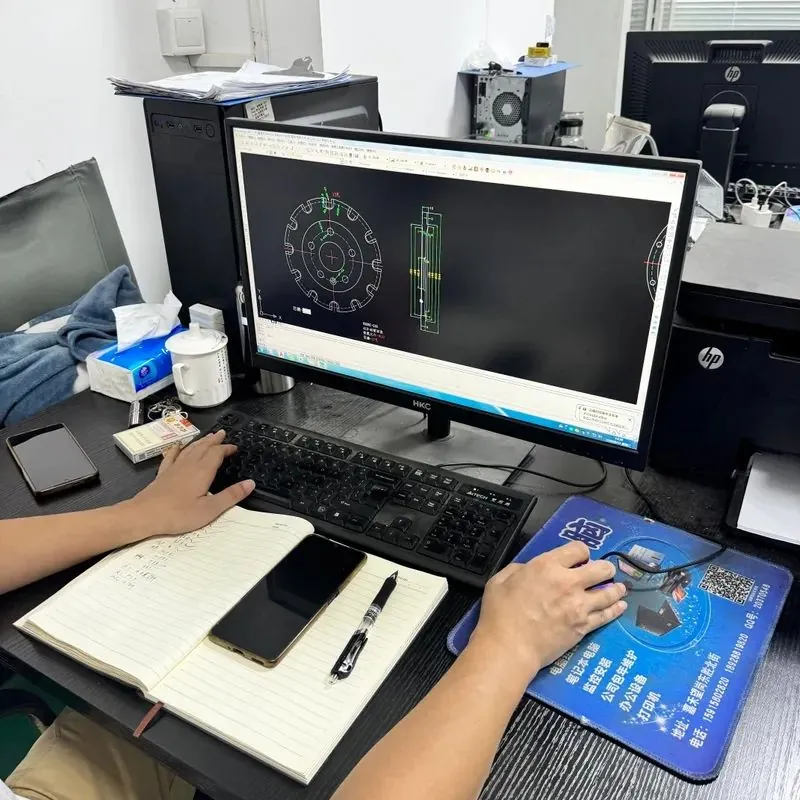
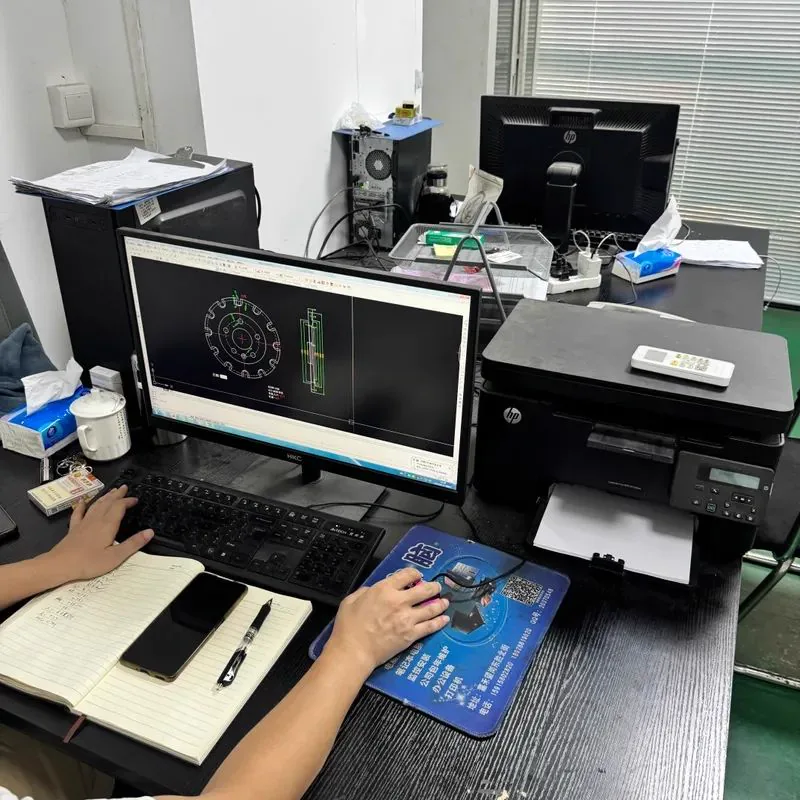
Short footage from the production route gives buyers operating context behind the brake kit evidence.
A workshop view adds a concrete look at the operating environment behind the factory and inspection photos.
A real workshop clip shows a red brake caliper being installed as a practical vehicle-side reference.
Kit scope and configuration
A clear scope prevents missing parts at installation and makes the quotation easier to compare. The final list follows the vehicle, axle, wheel clearance, and approved configuration.
Confirm the axle, caliper model, piston layout, side, quantity, finish, and whether the rear application uses EPB or a mechanical parking brake.
Record disc diameter, thickness, hat or center details, drilling or slot style, mounting pattern, and the vehicle-side clearance points.
Match the pad shape to the selected caliper and intended use. Replacement pad availability and the requested quantity should be clear in the quote.
List the vehicle-specific mounting parts, brake hoses, bolts, washers, clips, bleeders, and any installation notes needed by the workshop.
Keep the requested caliper color, center ring color, logo treatment, and any finish reference together with the approved model.
Before dispatch, the confirmed parts list, quantity, labels, foam protection, destination, and any Chinese-agent contact are checked against the order.
Common Questions